- sales@hot-mining.com +86 28 8331 1885 +86 15196677188
-
-
-

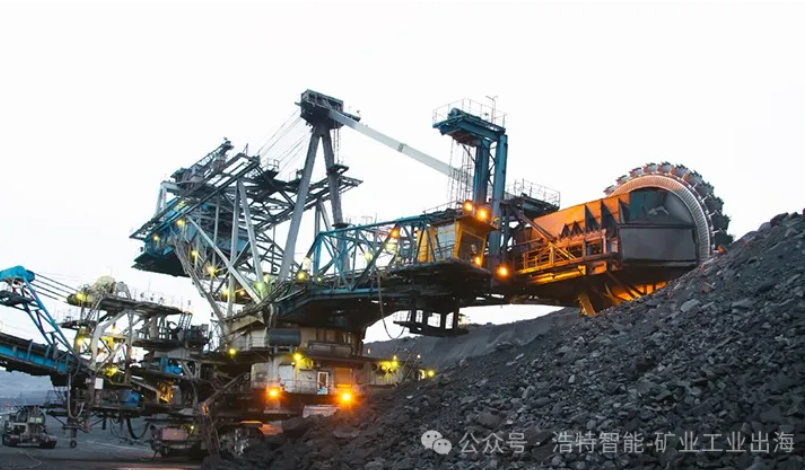
Egypt is rich in mineral resources, ranging from gold and phosphate to iron ore and other valuable commodities. Its mining industry holds considerable economic potential, with opportunities to create jobs, increase export revenues and support industrial development. Despite these prospects, the sector continues to face a number of challenges that have hindered its full development. However, the reform vision of the country's new minister includes a series of key plans and initiatives aimed at moving Egypt's mining industry forward.
Egypt possesses abundant mineral resources with considerable potential to revitalise its economy. These resources can broadly be divided into three categories: energy-related materials, including coal and radioactive minerals; metallic ores, such as iron, copper and precious metals; and non-metallic minerals, including gemstones and semi-precious stones.
Egypt aims to become one of the world's leading mining destinations, with significant mineral resources reportedly including 6.7 million ounces of gold, 48 million tonnes of tantalum and 50 million tonnes of coal.
Tantalum, a valuable metal used in specialised applications, including certain electronic components and advanced equipment, is an important strategic resource. The source material states that Egypt ranks fourth globally in tantalum resources, although this ranking and the reported resource volume require further verification.
Coal also has a role to play in the country's energy security.
To unlock these resources and diversify its economy, Egypt aims to increase the mining sector's contribution to GDP tenfold by 2026. This ambitious target depends on transforming the mining industry into a more attractive destination for investment, creating the conditions needed to attract substantial capital and accelerate sector development.
Despite its rich deposits of gold, tantalum and coal, Egypt's mining sector has historically lacked a policy framework competitive with leading global mining jurisdictions.
The previous regulatory model was largely based on the petroleum industry, but it did not adequately reflect the investment requirements, development timelines or production cycles of the mining sector.
To address these challenges and attract foreign direct investment (FDI), the government introduced a new Mineral Resources Law, Law No. 198 of 2014, followed by its Executive Regulations under Law No. 108 in January 2020.
These reforms were designed to establish a framework better suited to mining, particularly in areas such as taxation, rents and royalties, according to the British Egyptian Business Association (BEBA).
Access to information has also been identified as a major barrier for investors.
BEBA has highlighted that providing comprehensive, freely accessible digital mining data could help investors save time and money by reducing the need for additional research and preliminary investigations.
In response, Egypt's Ministry of Petroleum and Mineral Resources (MoPMR) launched a mining investment portal.
The centralised platform is designed to connect stakeholders, simplify processes and make investment opportunities more accessible. For investors, the portal could represent a significant step forward by improving transparency and access to information.
It is intended to provide easier access to essential data, including mineral resources, exploration projects and market trends, helping investors make more informed decisions and evaluate opportunities more efficiently.
Egypt's vision for its mineral resources sector is centred on improving mining performance, developing its abundant mineral wealth and expanding extractive industry activities.
Speaking at the opening ceremony of the Egypt Mining Forum (EMF), Minister of Petroleum and Mineral Resources Karim Badawi outlined the country's production ambitions.
Egypt currently produces approximately 560,000 ounces of gold annually and aims to increase production to around 800,000 ounces by 2030.
Meanwhile, mineral ore production stood at approximately 17.5 million tonnes in 2023/24, with a target of reaching 30 million tonnes by 2030.
As the Ministry of Petroleum and Mineral Resources seeks to strengthen mining's role in the national economy, Badawi also emphasised the importance of international expertise and industry best practices.
He stated that Egypt had engaged Wood Mackenzie to gain external support and learn from international experience, helping identify the reforms and actions needed to develop the sector further.
The country's broader ambition is to increase mining's contribution to GDP to 5%, compared with approximately 1% currently.
Egypt is at a pivotal point in its economic transformation. Its extensive mineral resources could become a cornerstone of future economic growth, offering significant opportunities for diversification beyond traditional sectors.
Gold, tantalum, coal and other mineral resources represent substantial potential for industrial development, investment and export growth.
However, unlocking this potential will require more than geological wealth. It will depend on strategic reforms, transparent investment policies, accessible geological data, effective regulatory frameworks and continued efforts to attract international capital and technical expertise.
Recent reforms, particularly those focused on improving the investment environment and digitalising access to mining information, represent important steps towards this goal.
If these initiatives are implemented effectively, Egypt could strengthen its position as an emerging mining destination and unlock more of the economic value hidden beneath its desert landscape.