- sales@hot-mining.com +86 28 8331 1885 +86 15196677188
-

-

-


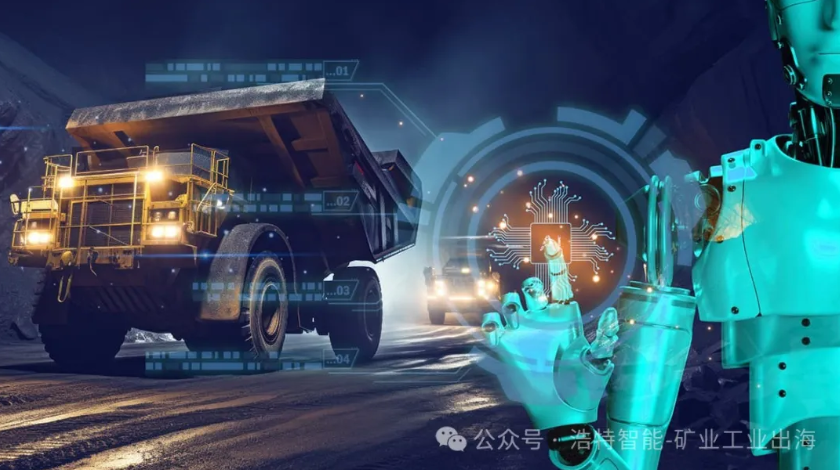
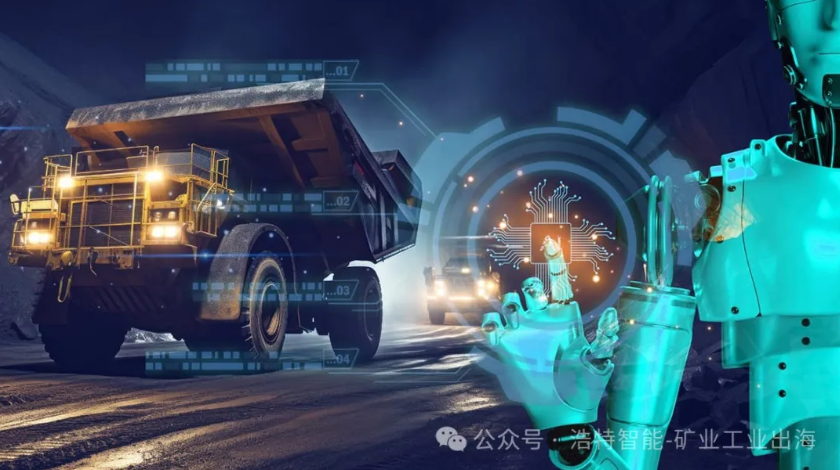
Mining companies are increasingly investing in artificial intelligence (AI) to improve productivity, enhance safety, reduce operating costs and strengthen mineral discovery capabilities. The impact of AI on the mining industry is already becoming evident, and its importance is expected to grow further in the coming years.
AI enables mining companies to deploy automated equipment and use data analytics to improve operational efficiency and productivity. Automated systems can operate around the clock, helping maintain consistent performance and minimise operational interruptions.
Advanced AI algorithms also enable predictive maintenance, reducing downtime by identifying potential equipment problems before failures occur. Predictive maintenance systems can help mining companies minimise maintenance costs while avoiding expensive capital expenditure when equipment becomes beyond economical repair. In addition, advanced algorithms can support real-time operational adjustments, further improving efficiency.
Mining is an industry associated with significant safety risks. According to the US Mine Safety and Health Administration (MSHA), 42 mining fatalities were recorded in the United States in 2023. AI is playing an increasingly important role in improving mining safety by automating many hazardous tasks. Eliminating exposure to hazards through automation is one of the most effective ways to reduce operational risk.
AI also allows mining companies to use sensors, real-time data and advanced analytics to monitor changes in conditions that may indicate potential hazards. These include subtle variations in rock stress, known as microseismic activity, temperature changes and abnormal equipment vibration. AI-enabled wearable sensors can continuously monitor indicators associated with driver drowsiness, fatigue and physical discomfort, allowing companies to take preventive action before incidents occur.
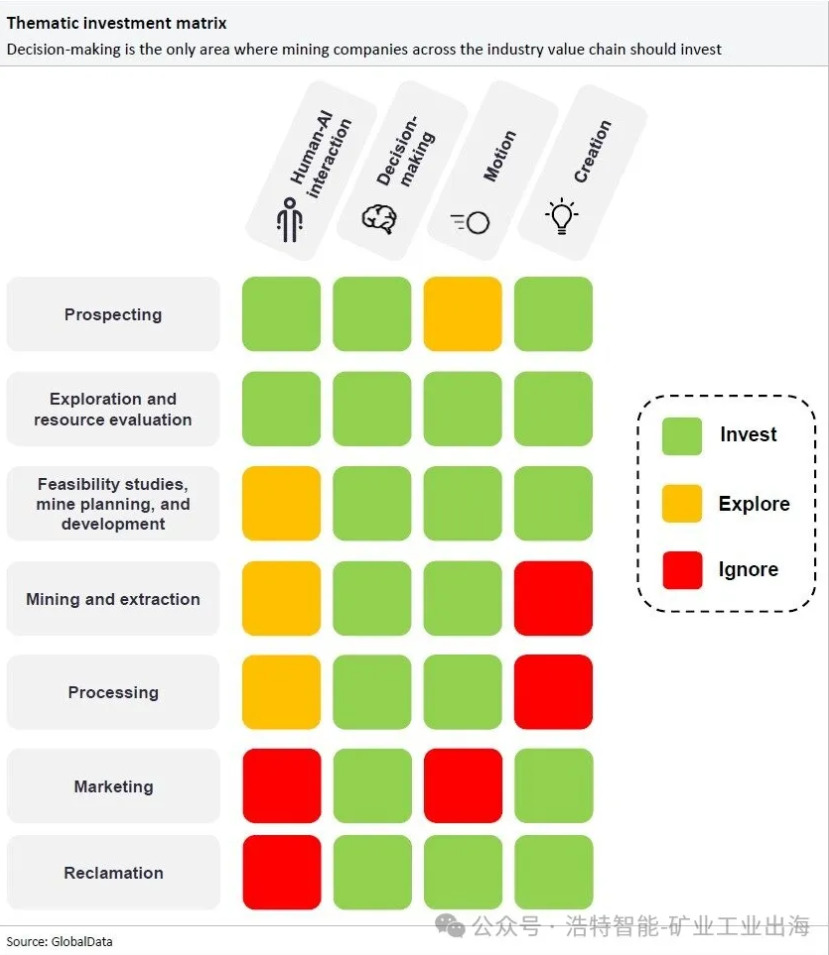
The following sections examine where mining companies should focus their AI investments. The source material categorises technologies into three groups: green for priority investment, yellow for areas worth further consideration and red for technologies that should receive less attention.
Mining companies should prioritise AI applications in motion control to remain competitive. Beyond exploration and marketing, motion-control technologies can be applied to mining and mineral processing equipment across the value chain. Automated mining equipment, including autonomous haul trucks and inspection drones, has already been deployed at mines worldwide to improve productivity and safety. These technologies are particularly valuable at remote mine sites, where they can provide operational advantages during extraction, transportation and processing.
AI's decision-making capabilities are equally important for improving operational accuracy and efficiency. By analysing large datasets, AI algorithms can help companies make better-informed decisions, predict equipment failures and optimise resource allocation. This can generate substantial cost savings while improving overall operational performance.
AI's generative capabilities also have applications in mining. Although the industry is not traditionally associated with generative AI, these technologies can help marketing teams create tailored content and strengthen stakeholder engagement. Generative AI can also provide maintenance teams with rapid access to technical information and troubleshooting support, potentially improving productivity and reducing downtime.
Human-AI interaction is considered a lower-priority investment area in the source material. Nevertheless, certain applications, such as computer-vision cameras used to monitor workplace conditions during extraction and processing, may help improve proactive safety management.
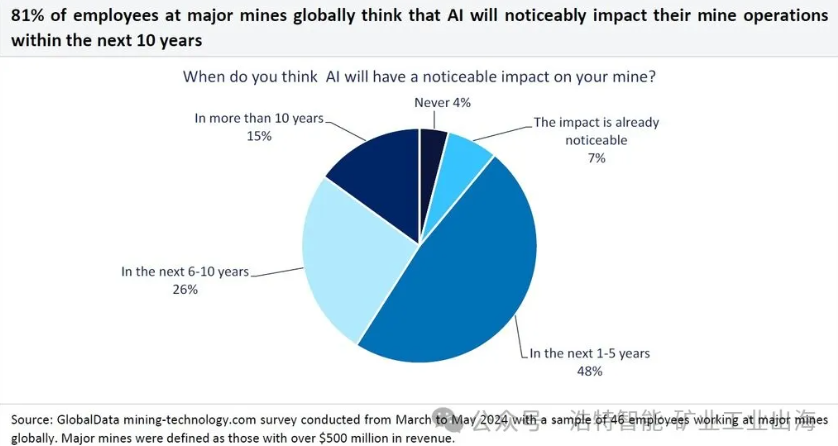
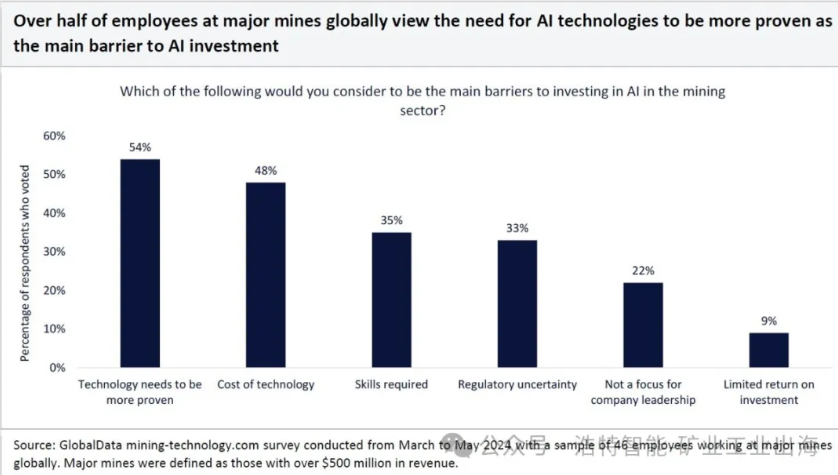
According to GlobalData's 2024 Mining Technology Adoption Survey, 96% of employees at major mines worldwide believed AI would have a significant impact on their mines. However, 54% identified the lack of proven effectiveness of AI technologies as a major barrier to investment.
Technology transformation teams within mining companies must therefore demonstrate the practical benefits and reliability of AI solutions to address resistance to adoption. This includes carefully managing employees' concerns that AI implementation could lead to job displacement.
Although technological advances have significantly reduced mining fatalities over the past century, mining remains a hazardous industry. The US Mine Safety and Health Administration reported 42 mining fatalities in 2023.
Deep mining operations face numerous risks, including exposure to toxic gases, extreme temperatures, equipment failures and geological instability that may lead to ground collapses.
Mining workers are exposed to potential accidents when working in remote locations, deep underground environments, areas subject to pressure variations and around heavy machinery. They are also at greater risk of developing certain chronic health problems.
Mining companies must ensure that workers receive adequate protection on site, implement preventive measures and continuously monitor safety conditions. Accidents can have consequences far beyond the immediate loss of life: they can devastate communities, discourage investors and skilled workers, disrupt production and potentially lead to the loss of operating licences, litigation and insurance claims.
AI is helping improve mining safety by automating many hazardous tasks. The most effective way to reduce exposure to a hazard is to eliminate the need for workers to encounter it in the first place. Automation can help achieve this.
Remotely operated drones can carry out inspection tasks, while automated rock-cutting machines can perform excavation and ore extraction. Autonomous haul trucks can also undertake loading and transportation activities, reducing risks associated with driver fatigue and human error.
According to GlobalData, as of July 2024, its Mining Intelligence Centre was tracking 2,080 autonomous haul trucks operating at surface mines worldwide. The source reports that these vehicles reduced accident rates by 80%.
AI also improves safety through predictive maintenance. AI systems can continuously monitor and analyse operational data to identify potential equipment failures and structural weaknesses. This enables timely intervention and may help prevent serious incidents.
Dirk Claessens, identified in the source material as an IBM technology leader working with EU and NATO-related organisations, reportedly highlighted the importance of predictive maintenance in the Chinese coal mining sector. He noted that despite stricter safety regulations and the adoption of advanced technologies, mining accidents continued to claim lives, with equipment failures accounting for 80% of fatalities in the research cited.
AI-enabled equipment can perform certain tasks more quickly and consistently than manual methods, reducing the time workers need to spend in hazardous environments.
Automated rock-bolting systems, for example, can install ground-support components with greater speed and consistency than manual operations. Inspection drones can access areas that may be difficult or unsafe for workers to inspect directly. Continuous miners can also create more uniform tunnels than conventional drill-and-blast methods in suitable geological conditions.
AI-powered wearable sensors can further support worker safety by monitoring indicators associated with drowsiness, fatigue and physical discomfort, allowing timely intervention.
Underground mines often lack natural light, which may contribute to fatigue and affect decision-making. Mining work is also physically demanding, while travel to remote mine sites can be exhausting.
A study by Caterpillar cited in the source material found that fatigue was associated with as many as 65% of haul-truck driving incidents at surface mines.
AI-enabled wearable devices can issue warnings when drivers show signs associated with elevated fatigue risk, alerting both the driver and relevant personnel in the control centre.
BHP began deploying AI-powered fatigue-monitoring technology at its copper operations in Chile in 2022. The system, described in the source as an AI-powered drowsiness-detection cap, monitors brainwave activity to identify signs of fatigue among drivers.
Mining companies must adopt advanced technologies to maintain and improve productivity.
Several factors, including declining mineral grades and growing demand, are driving the industry towards deeper underground operations and more remote deposits. These developments can result in longer transportation distances, lower ore grades and rising material and labour costs.
While predictive maintenance is essential for improving mining safety, it also plays a critical role in productivity.
As equipment approaches failure, it often exhibits warning signs such as increased vibration, overheating and declining power output. Machine-learning systems can process this information in real time, identify patterns associated with deterioration and estimate when equipment may require maintenance. This allows operators to intervene before a failure causes an unplanned shutdown.
A 2024 Siemens report cited in the source material estimated that unplanned downtime costs the world's 500 largest companies nearly US$1.4 trillion annually, equivalent to approximately 11% of their revenue.
Predictive maintenance can help mining companies reduce these losses, optimise equipment performance and avoid unnecessary capital expenditure when machinery can no longer be repaired economically.
AI is also creating value by improving the efficiency of industrial equipment and operational processes.
ALPHA's industrial equipment Prognostics and Health Management (PHM) system integrates sensor networks, cloud computing, big data analytics and AI to provide intelligent equipment operation and maintenance solutions.
Lafarge Cement Plant, Casablanca, Morocco
At Lafarge's cement plant in Casablanca, Morocco, ALPHA deployed a PHM system to monitor equipment operating conditions across the facility and support predictive maintenance.
The system collects key data, including equipment vibration and temperature, and uses cloud-based algorithms to analyse performance trends. Alerts are delivered through mobile devices, enabling relevant personnel to respond to potential problems.
According to the source material, the system helped reduce manual maintenance costs while improving approval procedures and maintenance scheduling, contributing to greater operational efficiency.
Vale Port Logistics Operations, Brazil
At Vale's port logistics operations in Brazil, ALPHA reportedly installed more than 20,000 wireless temperature sensors covering conveyor idlers.
This created an extensive equipment health-monitoring network. Monitoring data is transmitted in real time to the Alpha cloud platform, allowing customers to access equipment conditions remotely, identify potential problems and take preventive action.
The application is intended to reduce equipment failure risks and improve the reliability of conveyor systems.
National Energy Hanjia Village Coal Preparation Plant, China
At the Hanjia Village Coal Preparation Plant operated by National Energy, ALPHA implemented its PHM system across the facility's key equipment.
The system provides real-time monitoring and predictive maintenance management. Through cloud-based analysis, it can identify abnormal operating conditions, such as unusual vibration accompanied by rising temperatures in flotation pumps, and issue early warnings.
Following an alert, on-site maintenance teams can investigate and respond promptly, helping prevent unplanned equipment shutdowns and improve operational reliability.
These examples illustrate the potential applications of ALPHA's industrial intelligence systems in mining and mineral processing. By improving equipment monitoring, identifying potential failures at an early stage and supporting more efficient maintenance planning, such systems can help customers improve operational performance and create long-term value.
However, the increasing digitalisation of mining operations also creates greater exposure to cyberattacks. As automated equipment and connected transportation systems become more widespread, mining companies must invest in robust cybersecurity measures to protect operational technology, critical infrastructure and sensitive data.
One of the mining industry's greatest challenges is identifying and accessing economically viable mineral resources.
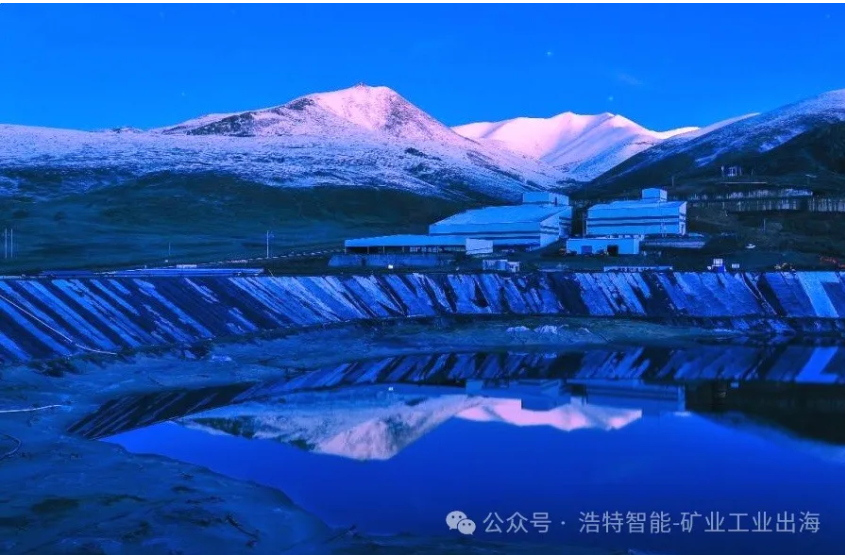
Mining companies face increasing pressure to discover new deposits and develop commercially viable mines. This task is becoming more difficult as ore grades decline. Identifying new deposits and evaluating the economic potential of known resources both require substantial time, capital and technical expertise. These challenges are further intensified by rising development costs and the increasing remoteness of mineral deposits.
Mining companies are increasingly using AI to support mineral exploration and resource evaluation.
AI can analyse large volumes of geological data, satellite imagery and historical records to identify areas with potential mineralisation. It can also help generate more detailed interpretations of terrain and geological structures.
By combining pattern recognition with predictive analytics, AI can help identify geological features and anomalies associated with potential mineral deposits. Machine-learning algorithms can detect patterns, anomalies and mineralisation indicators, supporting more efficient exploration targeting.
Improved targeting can help reduce the time and expenditure required for exploration, potentially improving the return on exploration investment.
Several specialist technology providers operate in the AI-assisted mineral exploration sector, including ALS GoldSpot Discoveries, DroneDeploy and Earth AI.
For example, ALS GoldSpot Discoveries' LithoLens uses computer vision to process drill-core photographs and generate geological logging information.
Drill-core photographs, outcrop images, downhole sensor data and other existing imagery can be processed and enhanced to help identify different geological intervals and specific features, such as veins.
These capabilities can support geologists in interpreting geological information and making more informed exploration decisions.
Raising capital for new mining projects has become more difficult than it was two decades ago, contributing to an investment shortfall across parts of the industry.
To secure funding, mining companies are exploring alternative financing channels, including specialist funds, high-net-worth investors, royalties and crowdfunding.
At the same time, they face rising operating costs driven by inflation, higher labour expenses and geopolitical uncertainty. As a result, companies are increasingly turning to technology to identify more cost-effective ways of operating.
AI can play an important role in addressing these cost-control challenges.
As discussed earlier, predictive maintenance can improve productivity and safety while also supporting more effective cost management.
By implementing predictive maintenance strategies, mining companies can schedule maintenance activities proactively, reduce unexpected downtime and optimise equipment performance. This approach can minimise the costs associated with unplanned repairs and improve overall operational efficiency.
Reactive maintenance can result in substantial production losses. The objective of predictive maintenance is not to replace equipment or components prematurely, but to carry out maintenance at the most appropriate time based on equipment condition and operational requirements.
AI can also help optimise the use of resources such as fuel, water and energy.
By analysing data from multiple sources, including weather conditions, equipment performance and production targets, AI systems can support more efficient resource allocation and consumption.
Automated systems, including autonomous haul trucks and drilling rigs, can also offer significant cost-saving opportunities.
Although these systems require substantial initial investment, they can reduce reliance on manual labour and help address workforce shortages through advanced algorithms, computer vision and sensor technologies. Their long-term economic value depends on operating conditions, deployment scale, maintenance requirements and the level of human supervision needed.
Environmental, Social and Governance (ESG) considerations are increasingly influencing business operations worldwide.
Stakeholders are demanding greater transparency and stronger action across a broad range of ESG issues. Companies must therefore manage their performance across environmental protection, social responsibility and corporate governance. Weak performance in any of these areas can damage brand reputation and ultimately affect profitability.
The mining and metals sector is estimated to account for approximately 4%–7% of global greenhouse gas emissions, according to the source material.
Mining is inherently resource-intensive and can have significant effects on surrounding ecosystems. At the same time, metals and minerals are essential to the global transition towards a lower-carbon economy.
As scrutiny of ESG performance increases, mining companies are expected to make greater use of AI to improve environmental and social sustainability.
AI can analyse satellite imagery to monitor deforestation, assess land degradation and track changes in vegetation cover.
This information can help identify areas requiring protection and evaluate the effectiveness of reforestation and land rehabilitation programmes.
AI systems can identify patterns, forecast potential outcomes and assess the effectiveness of different mitigation strategies. These capabilities can help mining companies adjust their operations to reduce environmental impacts.
AI also has the potential to reduce resource consumption and environmental disturbance.
Sensors and cameras can monitor mining operations and collect operational data. AI can then analyse this information to identify opportunities to reduce waste and improve energy efficiency.
For example, AI can analyse ventilation data more rapidly and consistently, supporting better monitoring and control of mine ventilation systems. More efficient ventilation management can help reduce energy consumption and operating costs.
AI can also support better management of the social impacts of mining.
For example, algorithms can analyse community feedback collected through interviews, social media and other online platforms to help companies understand local concerns and expectations.
These insights can support more responsive stakeholder engagement, helping mining companies address community issues and reduce the risk of reputational damage.
However, automated sentiment analysis should be used as a supporting tool rather than a substitute for direct engagement and consultation with affected communities.
AI can contribute to improved governance and transparency, particularly in supply chain management.
By analysing supply chain information and tracking the origin of raw materials, AI-enabled systems can help companies improve traceability and identify potential ethical or compliance risks.
More complete and reliable supply chain data can also support the preparation of Scope 3 greenhouse gas emissions reports, which cover indirect emissions across a company's value chain.
Artificial intelligence is becoming an important driver of change across the mining value chain.
From autonomous equipment and predictive maintenance to mineral exploration, cost optimisation and ESG management, AI offers mining companies new ways to address long-standing operational challenges.
However, successful adoption requires more than investing in advanced technology. Companies must demonstrate measurable benefits, ensure system reliability, strengthen cybersecurity and develop the skills needed to integrate AI into existing operations.
The future of mining will depend not only on how effectively companies extract mineral resources, but also on how intelligently they manage equipment, data, people and environmental responsibilities.
By combining industrial expertise with AI and advanced analytics, mining companies can move towards safer, more efficient and more sustainable operations.