- sales@hot-mining.com +86 28 8331 1885 +86 15196677188
-

-

-


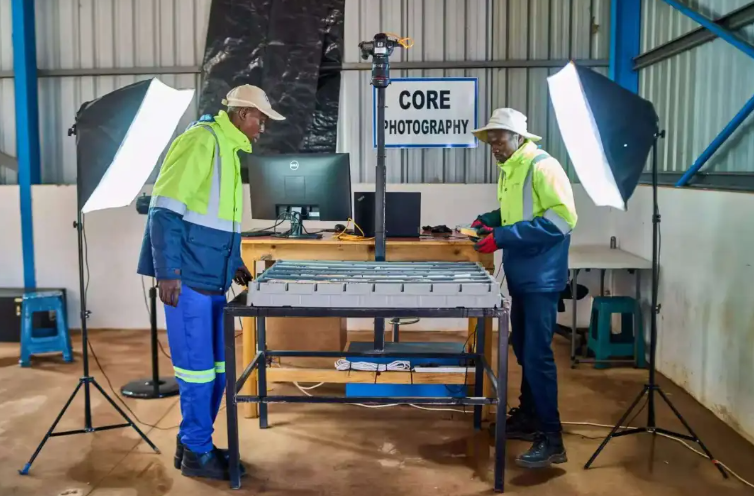
Artificial intelligence is advancing at an extraordinary pace, but the resources powering its growth—particularly copper—are facing increasing supply pressures. In a striking development, researchers have reportedly used AI itself to identify a potentially enormous copper deposit in North America, one that could help meet the mineral demands of future technological development.
Could this be a coincidence, or is AI beginning to help secure the resources needed for its own expansion?
From data centres and semiconductors to electric vehicles and power infrastructure, the rapid expansion of AI is driving demand for copper at an unprecedented scale. Copper is an essential conductor used in electrical systems, wiring, transformers and a wide range of electronic equipment.
As the world accelerates its transition towards renewable energy and digital infrastructure, experts warn that copper supply constraints could become a bottleneck for AI development and the broader technology industry. Conventional mineral exploration is often costly, time-consuming and inefficient, making it increasingly difficult to keep pace with rising demand.
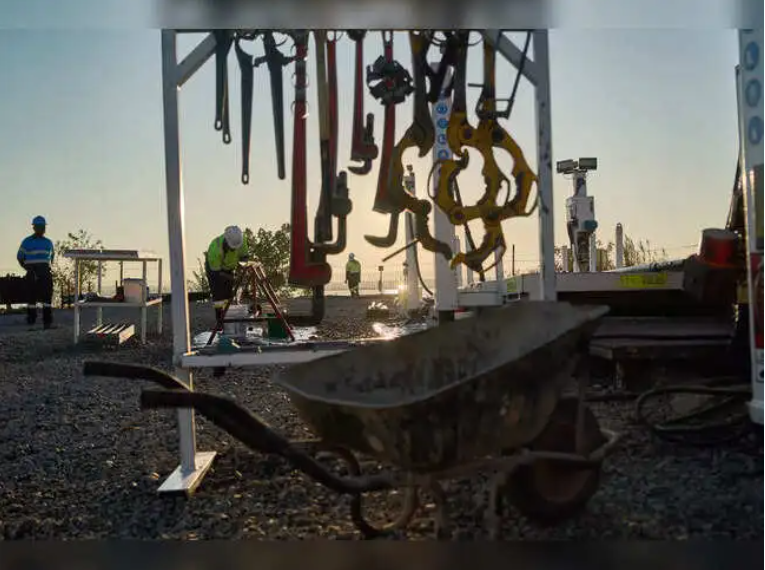
To address this challenge, a research team led by Professor Robert Kearns at the Colorado School of Mines has taken a different approach, applying artificial intelligence to the search for new copper resources.
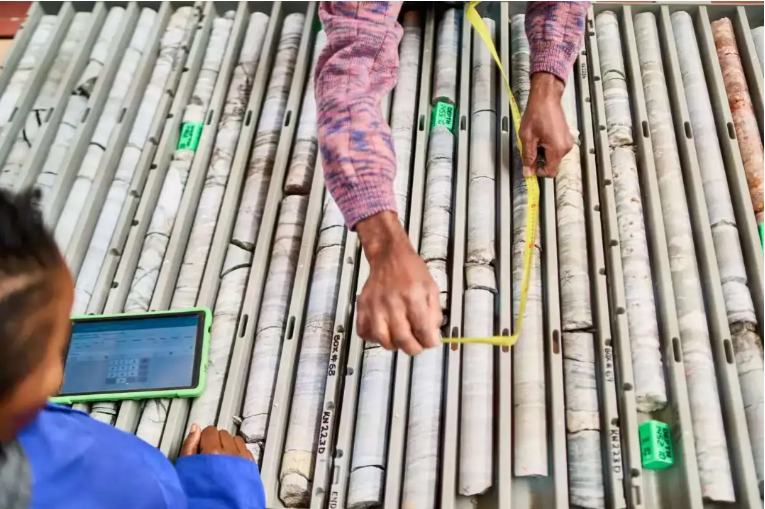
The team trained an advanced AI algorithm to analyse and integrate large datasets, including satellite imagery, historical geological exploration records, mineral sample analyses and seismic information.
The system has a clear objective: identify geological formations around the world that are most likely to host large copper deposits, helping exploration teams narrow their search and focus on the most promising targets.
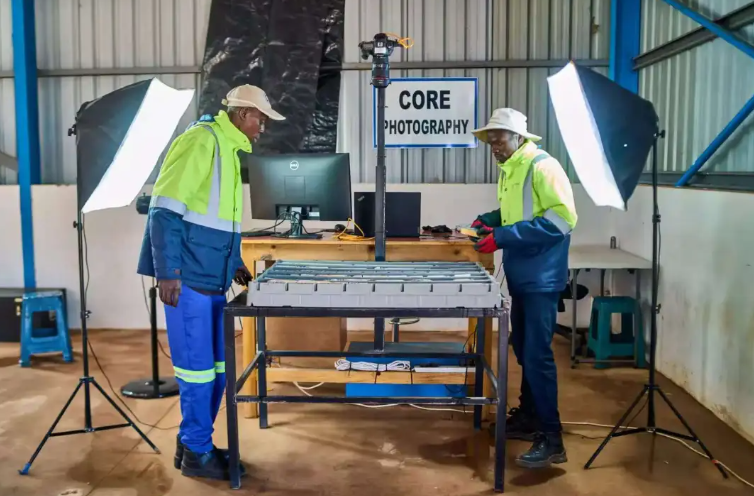
The results were reportedly striking. The AI system identified a vast area in North America with the potential to host an exceptionally large copper deposit.
Preliminary assessments suggest that the potential copper endowment could be several times larger than the world's currently documented copper reserves—a claim that, if confirmed, could have significant implications for the global copper supply outlook.
More importantly, the predicted deposit is believed to be a porphyry copper system, the geological type responsible for approximately three-quarters of global copper production.
Porphyry copper deposits are typically characterised by large tonnage and relatively low grades. Although their ore grades may be modest, their scale and geological continuity can make them suitable for large-scale mining operations, often using open-pit methods.
Professor Kearns emphasises that the key breakthrough lies in dramatically improving exploration efficiency.
Traditional exploration can resemble searching for a needle in a haystack, requiring extensive fieldwork, substantial investment and years of geological investigation. AI-driven exploration offers a different approach by rapidly screening large volumes of geological information and prioritising targets.
According to the reported research, the AI-driven approach:
Accelerates target screening: Potential exploration targets can reportedly be screened up to 80% faster.
Reduces exploration costs: More efficient targeting could reduce the time and financial resources spent investigating low-potential areas.
Improves discovery potential: By identifying geological patterns that may be difficult to recognise manually, AI could help increase the probability of discovering large, economically viable deposits.
The research received funding from the US Defense Advanced Research Projects Agency (DARPA), highlighting the potential strategic importance of advanced mineral exploration technologies.
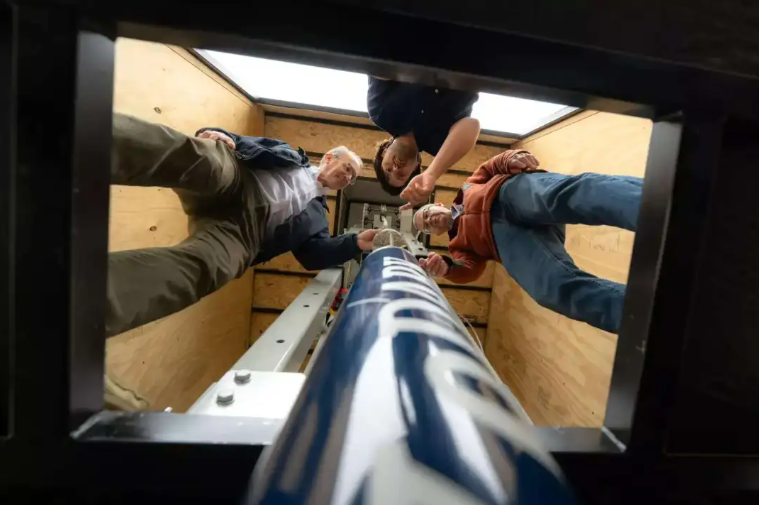
The reported discovery could have far-reaching implications for the AI industry and the wider technology and energy transition, offering a potential pathway to easing pressure on copper supply.
It also illustrates how AI can extend beyond end-user applications to support the development of the physical resources on which its own infrastructure depends. This creates a potentially self-reinforcing cycle: AI helps identify resources, those resources support infrastructure development, and expanded infrastructure enables further technological advancement.
Major technology and mining companies, including Microsoft and BHP, have shown interest in AI-driven mineral exploration, investing in or collaborating on technologies that could reshape how future resources are identified and developed.
Despite the excitement, identifying a potential mineral deposit is only the beginning. Turning an AI-generated exploration target into a producing mine involves substantial technical, financial, environmental and social challenges.
Mining feasibility: The predicted deposit is reportedly located at considerable depth. Mining it could require complex engineering, significant capital investment and advanced extraction technologies. A geological prediction alone does not establish that the deposit can be mined economically.
Environmental impact: Large-scale mining projects can affect ecosystems, water resources, land use and nearby communities. Environmental organisations have raised concerns about the potential consequences of accelerating resource development through AI-driven exploration. Faster discovery must not come at the expense of responsible development.
Geopolitical implications: Copper and other critical minerals are increasingly central to global economic and strategic competition. New discoveries could influence future supply chains, investment flows and the geographical distribution of mineral production.
The story of AI helping discover the resources needed to sustain its own growth captures the intersection of technology and the physical world.
AI-powered exploration offers a promising way to address some of the mining industry's longstanding challenges. By analysing vast amounts of geological data, identifying patterns and prioritising exploration targets, AI could make mineral discovery more efficient and help unlock resources that traditional methods might overlook.
However, a predicted deposit is not the same as a confirmed resource, and a resource is not automatically an economically recoverable reserve. The path from AI-generated prediction to actual copper production may still involve years of exploration, engineering, permitting, investment and environmental assessment.
The potential copper deposit may have been identified. The real test now is whether human ingenuity can turn that discovery into a responsibly developed resource.
AI may have found its potential “lifeline” in copper—but the challenge of developing it sustainably is only beginning.