- sales@hot-mining.com +86 28 8331 1885 +86 15196677188
-

-

-

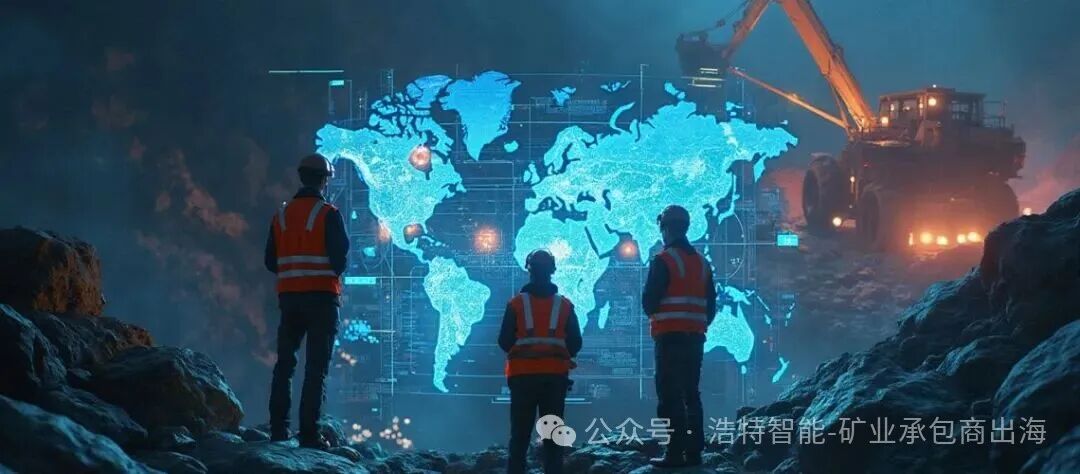
As competition in mining grows fiercer by the day, investors are accelerating their deployment of artificial intelligence (AI) technologies to improve exploration efficiency for Africa's mineral resources and gain an edge in the race for resources.
Africa's Mineral Resource Potential
During the Mining Indaba, investors, corporate executives, and government officials interviewed by the U.S. media outlet Semafor said AI technology could help uncover the value of mineral resources still underdeveloped beneath Africa's surface. The prevailing view is that Africa remains relatively underexplored overall, giving the continent enormous resource potential.
This week, the Democratic Republic of the Congo (DRC) signed a five-year cooperation agreement with the U.S. investment firm Atlas Park. Under the agreement, Atlas Park will use its proprietary AI software to systematically analyze historical data on the country's mineral deposits and carry out new geological surveys to support mining investment decisions.
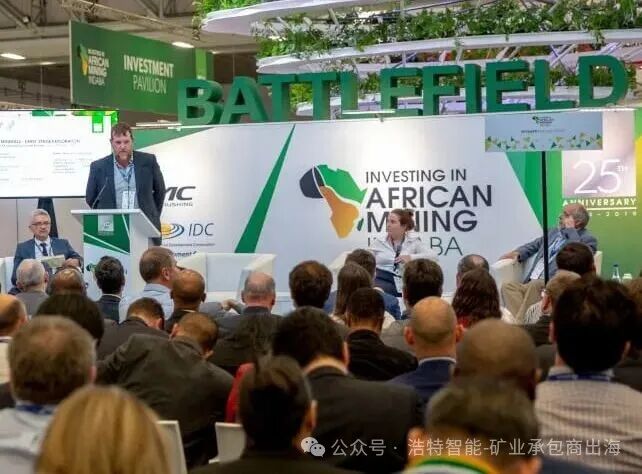
Kai Han, CEO of Atlas Park, said, "Nowhere in the world has greater exploration potential than the DRC. We hope to generate returns by investing in exploration. To move exploration forward efficiently, we have to build a stronger data environment."
Andrés Blanco, CEO of airborne geophysical mapping company Xcalibur Smart Mapping, said the company has significantly expanded its use of AI technology in recent years. Xcalibur provides high-precision natural-resource mapping services through airborne platforms in 15 African countries, including Benin, the DRC, Nigeria, Sierra Leone, and Zambia. Blanco said AI can integrate geological, geophysical, and historical exploration data from multiple sources, perform comprehensive analysis and modeling, and help analysts more accurately assess the potential presence of mineral resources. "AI is creating new business opportunities," he said. "About 85% of the African continent has not been systematically explored, and that poses a real challenge for investors."
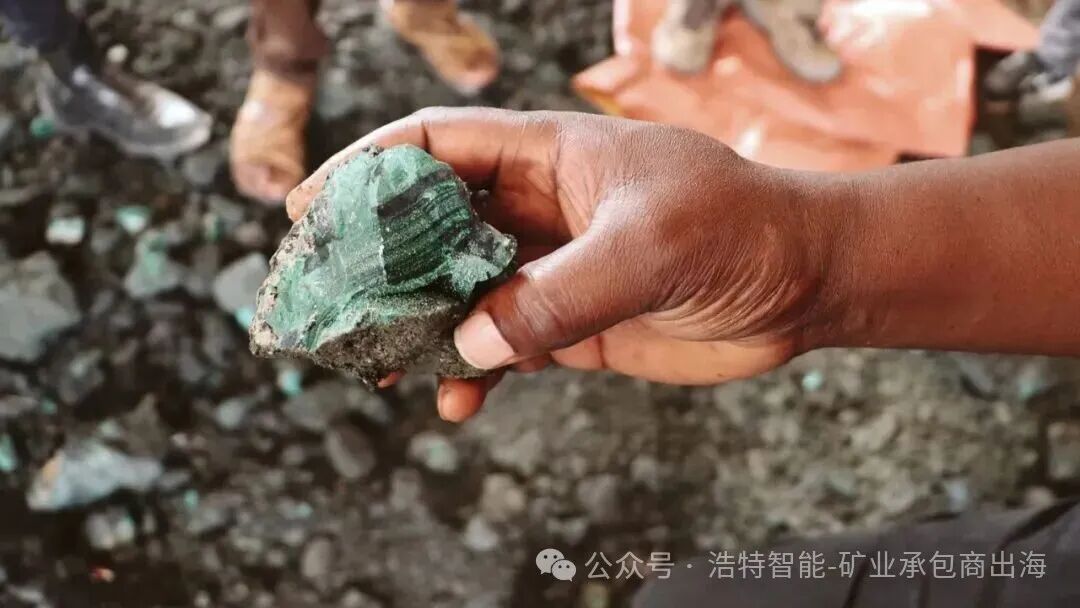
The agreement between Atlas Park and the DRC is part of a recent series of efforts by Kinshasa to strengthen cooperation with U.S. companies and the U.S. government. The DRC is seeking to unlock more value from its natural resources. The country holds abundant copper and cobalt reserves, and both metals are in particularly strong demand as key inputs for AI technologies and clean-energy supply chains, including battery materials.
Han did not disclose the value of the Kinshasa agreement, but said the company's AI analysis based on historical exploration data would be shared with the DRC's national geological service. This would help improve the country's understanding of its mineral potential and make it more attractive to mining companies.
Blanco also noted that deploying AI technology can help African countries improve their ability to raise financing. "There are already bonds issued on the basis of oil reserves," he said. "In the future, we may see financing bonds based on mining potential."
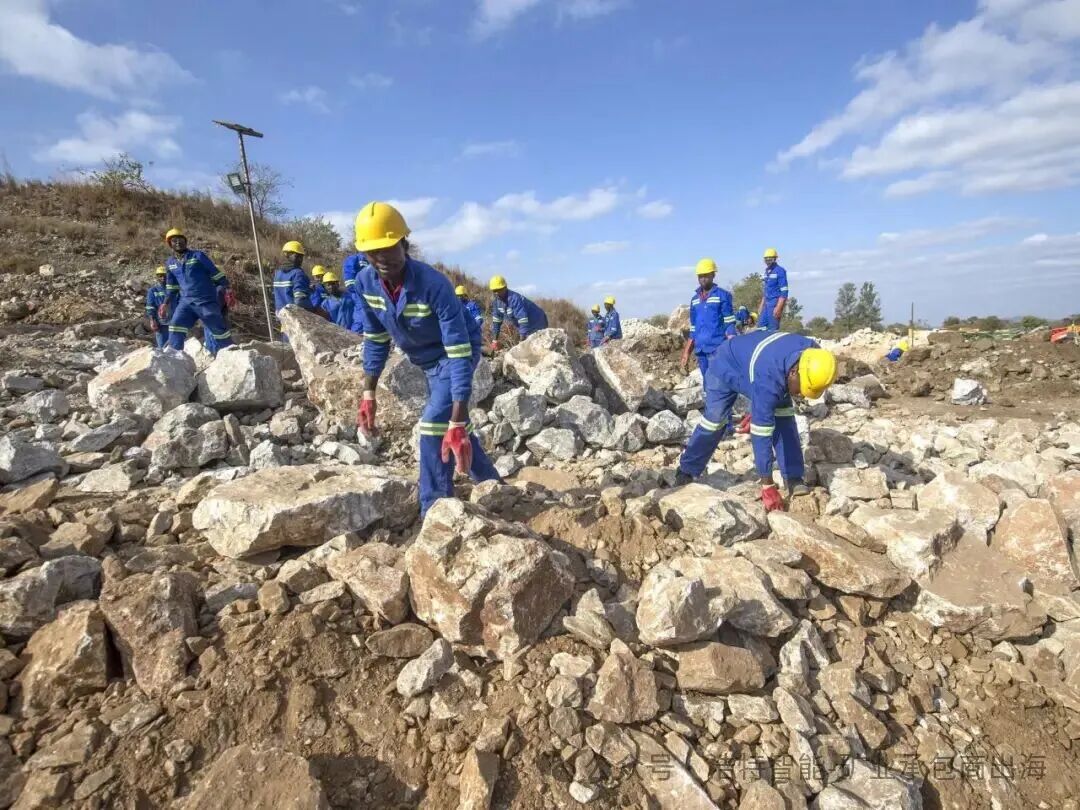
Some studies estimate that Africa holds about 30% of the world's known reserves of key minerals, while others argue that Africa's share of global "critical minerals" production and reserves is much lower. Bright Simons, an analyst at the Accra-based think tank IMANI Center for Policy and Education, wrote in a Semafor column last year that Africa's share of global critical-mineral reserves may actually be less than 5%.
Beyond disagreements over mineral classification standards and how "critical minerals" should be defined, the core constraint in assessing Africa's mineral resources is the shortage of geological data and exploration data. A recent World Bank study noted that Africa as a whole remains underexplored, and known deposits are also significantly underdeveloped.
Representative companies already operating in Africa include KoBold Metals, a U.S. exploration company backed by Bill Gates and Jeff Bezos, the founder of Amazon. The company uses AI and machine-learning technologies to identify battery-metal deposits in Zambia.
In addition, Los Angeles-based subsurface modeling company Terra AI and Arizona-based automated drilling company Durin are building business models by improving the efficiency of mining operations. Executives from both companies attended the Mining Indaba.
Room for Debate
A research report released by S&P Global noted that as AI applications in mining continue to expand, data-security risks will rise significantly because of the massive amounts of geological and production data that must be processed.
The report's authors also stressed that the reliability of AI-generated analysis depends heavily on the quality of the input data. If raw data contains bias or flaws, the model's output may be distorted. The report noted that if data sources and existing algorithms carry inherent bias, recommendations generated by AI systems may produce discriminatory outcomes.
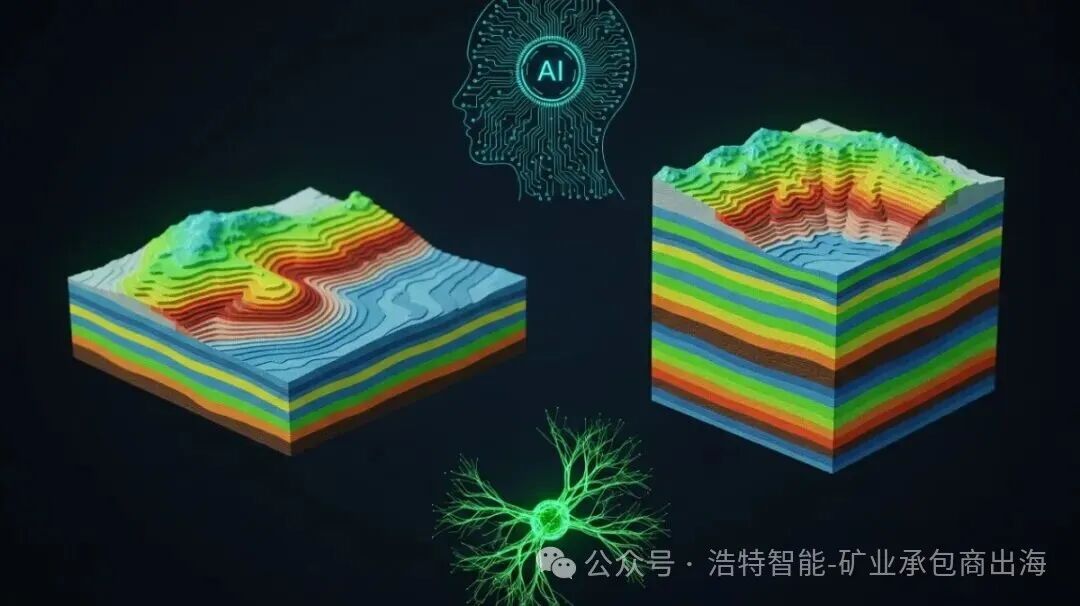
AI Is Reshaping Africa's Mining Landscape
British Robinson, Africa chair at the Washington-based international think tank Milken Institute, said that discussions around demand for Africa's mineral resources must broaden the definition of "innovation."
Robinson pointed out that innovation means not relying on a single partner. Instead, Africa's existing mining-development model needs to be systematically restructured. "That means more partners, different types of partners, and diversified financing tools and funding arrangements that can be applied at different stages of a project," she emphasized. Only in this way can mining projects become genuinely "bankable."
She also said that introducing a "price floor" mechanism into the critical-minerals trade zone planned by the U.S. government would be an institutional innovation that helps strengthen investor confidence and improve risk control.
In a recent research paper published by ODI Global, analyst Bright Simons argued that a framework for digital mineral information rights should be established, turning "geological intelligence" into a tradable asset class and unlocking the value of data as a factor of production.
Writing in Global Mining Review, Jef Caers, a professor of Earth and planetary sciences, argued that AI is likely to have a "profound impact" on mineral exploration, mine development, and the processing and beneficiation of critical minerals, reshaping the industry's technology roadmap and value-chain structure.
AI-driven technologies have already begun reshaping Africa's mining landscape, and the pace of change is expected to accelerate further. Seeing AI only as a tool for exploration would be too narrow. In reality, AI is more like an integrated set of technical tools that enables geologists to combine geological data, geophysical information, and predictive models, creating more valuable decision support at different stages of a mining project.
Its most immediate impact is to increase project certainty and make projects more attractive to capital. From smartphones and chips to EV batteries, demand for related minerals remains high. Yet mining projects have long faced the core risk of uncertainty over the true endowment of underground resources. When combined with the outside world's tendency to overestimate political risk in some African countries, AI technology can help reduce uncertainty through data modeling and mineral-prediction tools, thereby strengthening investor confidence.
Potential risks, however, cannot be ignored. As developed economies race to build the industrial systems of the future, they may use AI-driven mining technologies to acquire critical mineral resources more efficiently, while resource-host countries may not see their returns rise in parallel. African policymakers need to incorporate local beneficiation, smelting, and deep-processing links into their institutional designs to ensure that resource development and value-chain extension move forward together. Otherwise, the widespread use of AI could be seen as a key turning point that accelerates a new 21st-century scramble for Africa's resources.