- sales@hot-mining.com +86 28 8331 1885 +86 15196677188
-
-

-

Introduction
Many technology companies eventually confront the same question:
Once you have finally succeeded, do you actually become more vulnerable to disruption?
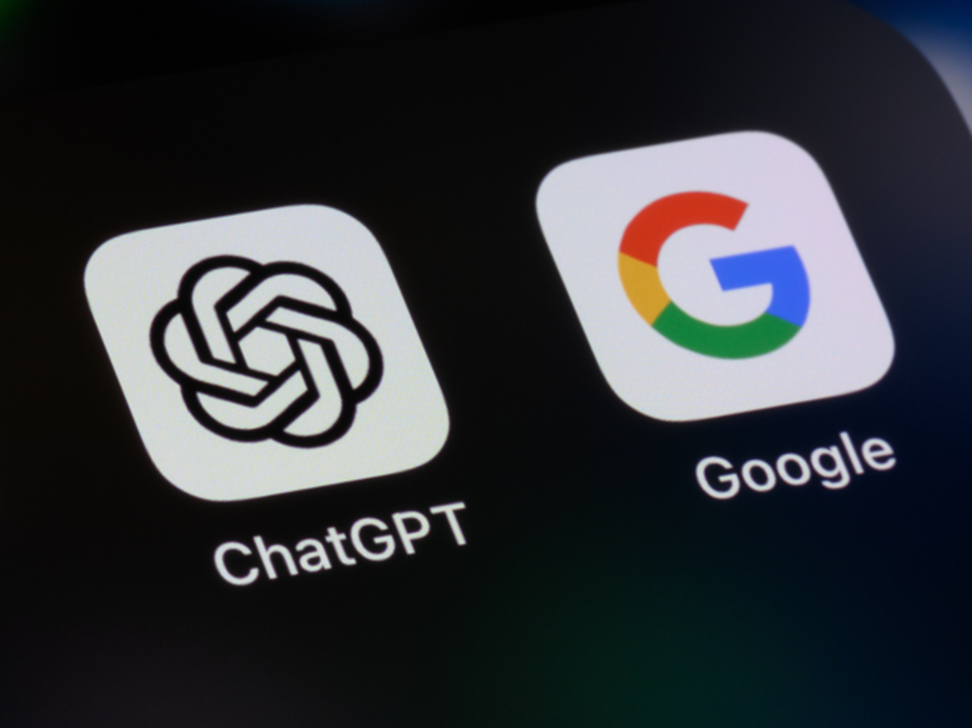
Recent developments at Google and OpenAI are beginning to offer an answer—one that is not particularly comfortable.
1. A Role Reversal Is Underway
In the second half of 2025, the AI industry witnessed an unexpected shift.
Google, once widely regarded as a classic example of "big-company inertia," is now taking risks like a hungry startup. Meanwhile, OpenAI, the company that ignited the generative AI revolution, has begun to behave more like an incumbent—carefully protecting what it has already achieved.
The data tells a compelling story:
Gemini 3 has surpassed OpenAI's latest models in several key benchmarks
Gemini's monthly active users have surged, while ChatGPT's growth has clearly slowed
OpenAI reportedly issued an internal"red alert," temporarily pausing new feature development
This is not a coincidence. It reflects a deeper organizational dynamic.
2. The Dilemma of Frontier Technology Companies
Companies working at the technological frontier all face the same brutal challenge:
They must do two fundamentally contradictory things at the same time.
On one hand, they must continuously explore the unknown and experiment rapidly. On the other hand, they must ensure product stability and deliver reliably at a global scale. Innovation requires risk-taking. Operations require control.These two logics are inherently in tension.
In reality, many mining equipment companies and engineering technology firms face a similar situation.
When your core products have already proven successful and customers depend on their reliability—do you still dare to reinvent them from the ground up?
When a new wave of technology arrives, do you protect your existing business first, or take the risk of transformation?
For decades, Harvard Business School has studied this challenge under the concept of organizational ambidexterity—how organizations can explore the future while simultaneously delivering results today.
Very few companies manage to achieve this balance.
Even fewer sustain it over time.
At such moments, leadership teams often fall into one of two states:
They freeze, afraid to move.
Or they retreat, focusing only on protecting the existing business.
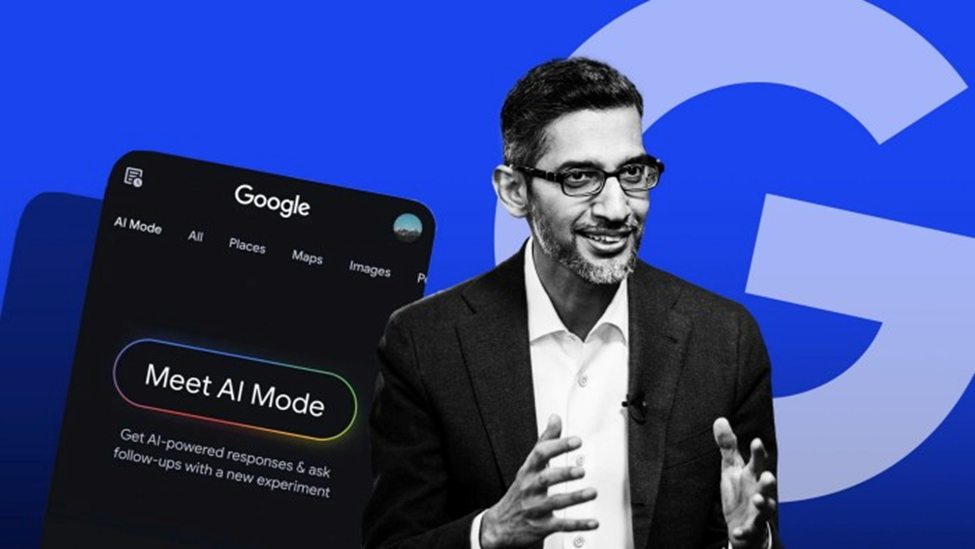
Google chose a third path:
placing exploratory work directly at the center of strategic decision-making.
Google implemented several major changes:
Organizational restructuring: Google Brain and DeepMind were merged, eliminating internal competition and fragmented resources.
Centralized decision-making: Authority was placed in the hands of leaders capable of integrating technological, commercial, and engineering perspectives.
Founder involvement: Larry Page and Sergey Brin stepped in at critical moments to reinforce priorities.
Encouraging self-disruption: Core products such as Search were pushed to experiment faster, with a willingness to take risks the company had previously avoided.
The result?
Exploration was no longer marginalized. Instead, it was pulled directly into the center of the organization.
Breakthroughs from Gemini were rapidly integrated into Search, Android, and cloud services, allowing exploration and execution to reinforce each other rather than compete.
In the end, the true competitive advantage of an organization does not lie in a single breakthrough technology, but in whether the entire system is aligned around the future.
4. OpenAI Shifts into Protection Mode
OpenAI’s trajectory has moved in the opposite direction.
After ChatGPT became a phenomenon, OpenAI began to think like many successful companies inevitably do:
How can the product become more stable?
How can we better serve enterprise customers?
How should we respond to growing regulatory pressure?
How do we defend our market share?
In December 2025, the CEO announced a "red alert": development of new features such as advertising and AI agents would be paused, allowing the company to focus entirely on improving the reliability, speed, and enterprise readiness of its core products.
All of these decisions are understandable.
But they come with a cost: the space for exploratory work begins to shrink.
Researchers leave, joining competitors or new research labs. The organization gradually shifts toward protecting existing advantages rather than opening new frontiers.
This is often not a strategic mistake, but a form of organizational inertia that follows success.
Once a company has something valuable to protect, the entire system naturally begins to tilt toward stability.
This is not about a lack of courage.
It is simply a stage that many successful organizations eventually reach.
5. Which Side Will Your Company Stand On?
Behind this story lies a question that no technology company can avoid:
When the environment changes dramatically, will your organization instinctively protect what it has already achieved, or actively explore the future?
For many mining technology companies and engineering equipment manufacturers, this question is hardly unfamiliar:
-When your core equipment already holds a strong market position, should you invest in developing entirely new product lines?
-When customers are accustomed to your existing service model, should you take the risk of pursuing digital transformation?
-When your team has already established stable processes, should you disrupt them in order to experiment with new technologies?
What is truly difficult is often not choosing the wrong technology, but rather this: After achieving success, no longer daring to keep exploring.
The contrast between Google and OpenAI tells us something important: After success, organizational design determines whether you continue to lead—or are overtaken by those who come after you.
That depends on three things:
1. Whether leadership has clear judgment about what work truly matters
2. Whether the structure can sustain internal tension—whether exploration and operations can coexist
3. Whether the culture still encourages risk-taking—or has already shifted into a “stability above all” mindset
The End: One Final Question
If it were your decision—
when the business is already running smoothly, the team is mature, and customers have come to depend on you,
would you choose to keep taking risks, or focus first on protecting what you have already built?
There is no universal answer to this question.
But it may very well determine whether you are still in the game five years from now.