- sales@hot-mining.com +86 28 8331 1885 +86 15196677188
-

-

-

In mineral exploration, drilling is primarily about discovery: identifying mineralisation, determining its scale and spatial distribution, reducing uncertainty, and recognising trends that may point to further mineral potential.
But discovery is only the first step. Another equally important question is how the ore will perform during metallurgical processing. Can it be economically mined, processed and converted into a valuable product?
This is where geometallurgy comes in.
Geologists and metallurgists often study the same drill core, but they approach it from different perspectives. Geologists focus on ore genesis, geological structures and mineralisation patterns. Metallurgists, on the other hand, examine the physical, chemical and processing characteristics of the ore, assessing how efficiently valuable metals can be recovered through beneficiation and metallurgical processes.
In practice, geological understanding often receives far greater investment than metallurgical characterisation. Bringing metallurgical perspectives into exploration at an earlier stage can help maximise the value of that investment and avoid the scenario in which material identified as ore from a geological standpoint proves difficult to process in practice.
In simple terms, geology helps us discover the resource. Metallurgy helps us realise its value.
In mineral exploration, geochemistry is often the primary tool used to identify potential. After all, grade matters. Yet in practice, mineral textures can sometimes be more informative than chemical data alone when predicting metallurgical recovery.
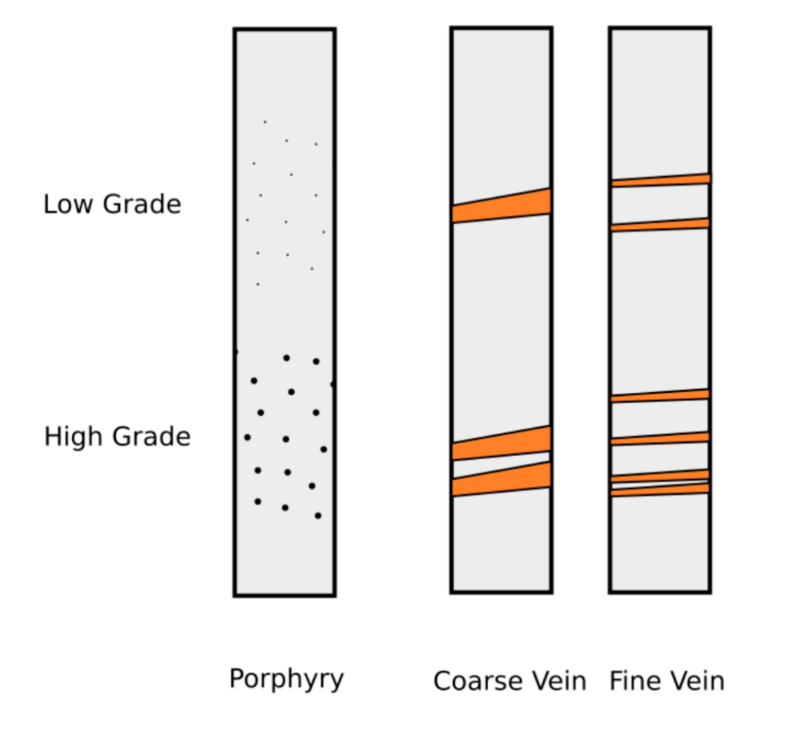
For example, higher-grade ore may contain larger, well-defined crystals that are easier to liberate, potentially resulting in better recovery.
However, the same grade can arise from two very different geological settings:
A long zone of disseminated mineralisation.
A short, high-grade vein diluted by barren rock.
Both may produce the same average assay grade, but their liberation and flotation performance can differ substantially.
In other words, grade can be a reflection of texture, but it does not fully capture the textural characteristics that determine recovery.
Unfortunately, these important textural details are often missing from geological records. Relying exclusively on chemical data can therefore lead to an overestimation or underestimation of a project's economic potential.
Combining textural analysis with geochemistry provides a more complete basis for evaluating ore characteristics and processing potential.
Not all alteration types have the same metallurgical implications.
Chloritic alteration: May be geologically significant but can have relatively little impact on flotation performance in some ore systems.
Argillic alteration: May significantly affect recovery, depending on the clay minerals present and their characteristics.
However, many geological logging systems record only the percentage of the dominant alteration type, rather than documenting the intensity and distribution of individual alteration features. This can limit geometallurgical interpretation and potentially lead to misleading conclusions.
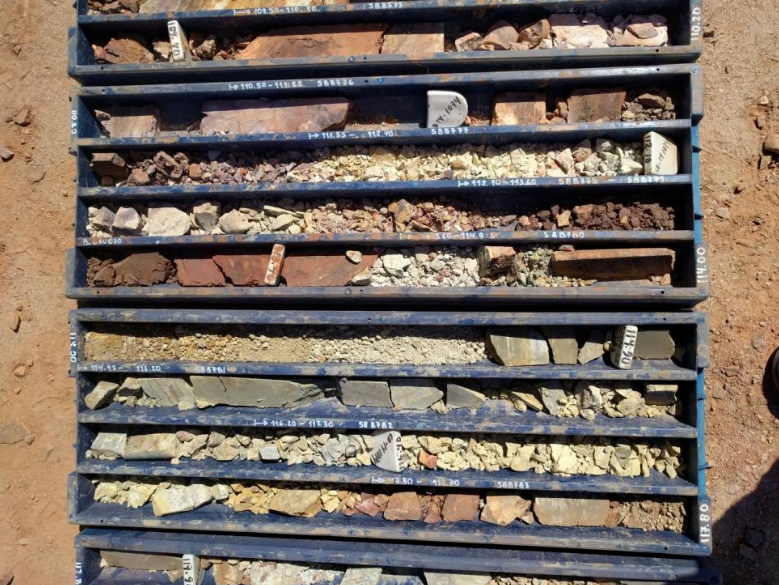
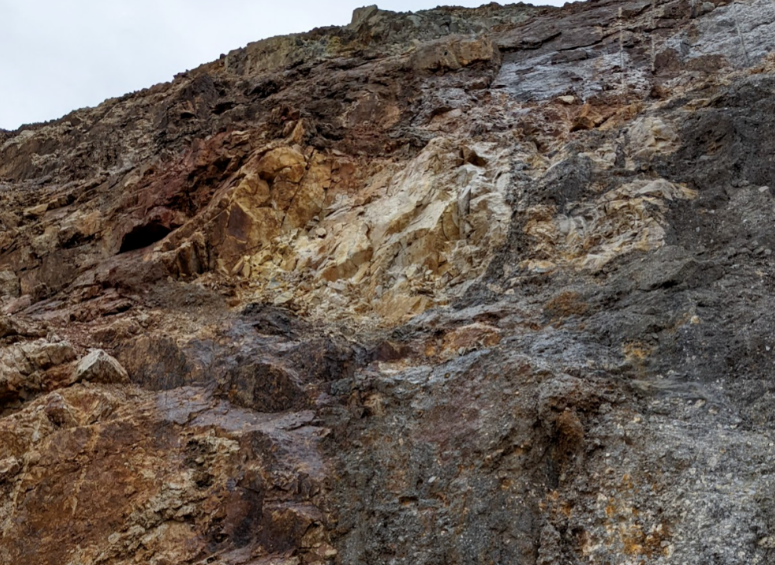
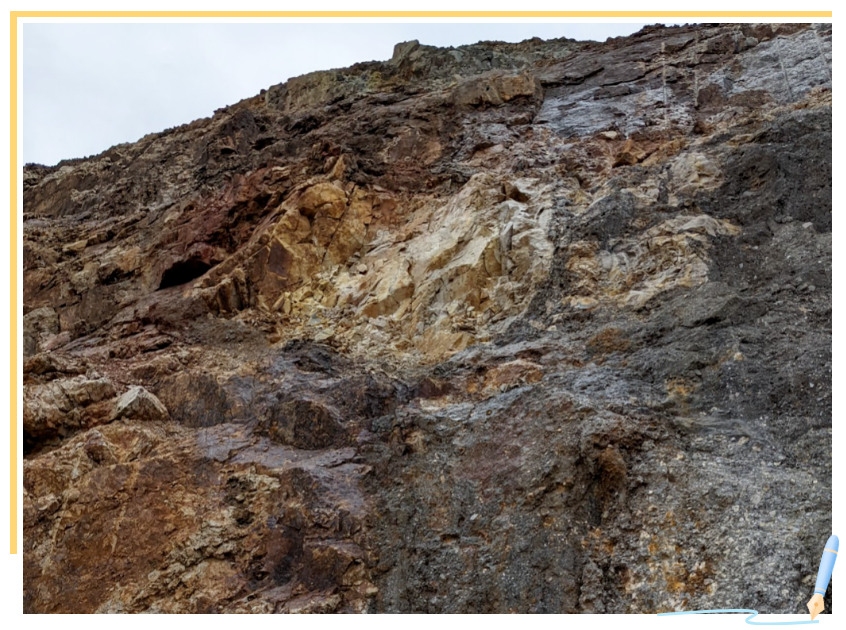
Rock colour is another feature that is frequently overlooked. In precious metal deposits, a transition from red rock to grey rock may coincide with a dramatic change in gold recovery—from 85% to as low as 15%, for example.
This highlights an important point: colour is not merely a superficial observation. It can be a highly visible indicator of underlying mineralogical and metallurgical differences.
For this reason, exploration logging and data management should systematically capture not only assay grades but also lithology, alteration characteristics and rock colour. These observations help geologists interpret mineralisation processes while providing metallurgists with valuable information for predicting processing behaviour.
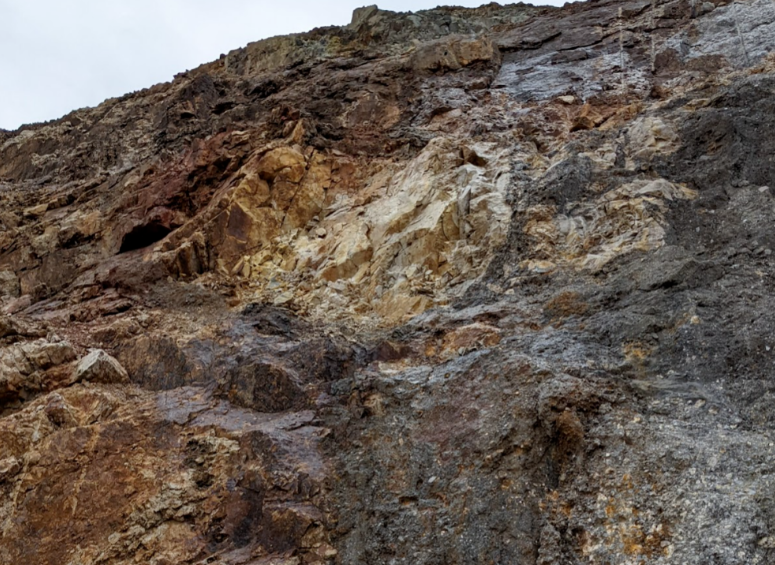
The transition from red rock to dark or black rock may, in some deposits, reflect a shift from oxide mineralisation to sulphide mineralisation. This boundary can be one of the most important geometallurgical distinctions within an orebody.
For base metals, it may determine whether ore is better suited to heap leaching or flotation. For precious metals, it may correspond to a substantial change in recovery performance.
Geologists often define boundaries based on visible oxidation staining, which can be useful for geological mapping but may not accurately represent metallurgical behaviour. Metallurgical assessment requires quantitative, process-relevant data to predict how the ore will respond during treatment.
To make exploration data useful throughout the mining lifecycle, geological observations need to be integrated with metallurgical testing—transforming visible characteristics into measurable processing performance.
Multi-element ICP assays are widely used in exploration. However, without metallurgical interpretation, they may fail to capture some of the most important information about ore processing behaviour.
Arsenic and sulphur, for example, are often overlooked, despite their potential significance to metallurgical performance.
Sequential copper assays can help distinguish oxide copper, secondary enriched copper and primary copper. However, these tests need to be performed on fresh drill core; otherwise, the resulting data may no longer be representative or valid for the intended interpretation.
Principal Component Analysis (PCA) is sometimes used to identify geometallurgical domains. Yet practical experience suggests that PCA may primarily identify major lithological groupings, while geometallurgical domains do not necessarily align with resource geology domains.
This is why data from a single discipline is rarely sufficient.
Chemical data needs metallurgical interpretation. Petrographic and geological observations need to be evaluated alongside processing testwork. Cross-disciplinary collaboration is essential for defining geometallurgical domains that genuinely reflect ore processing characteristics.
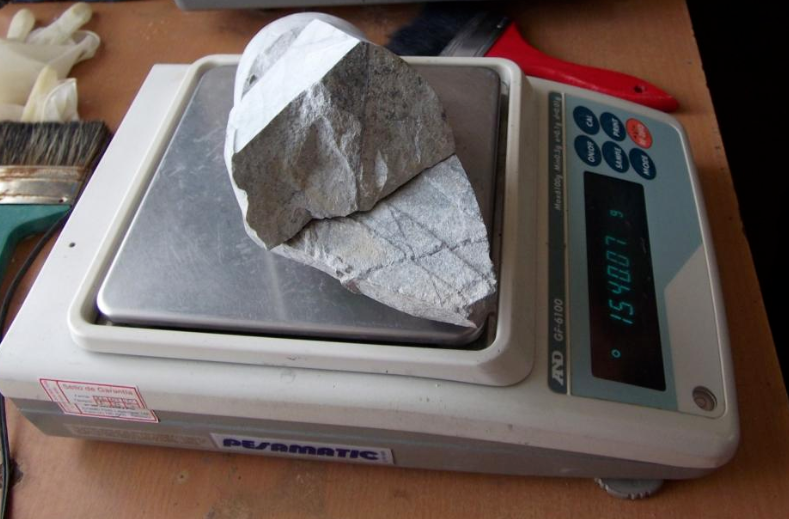
During comminution—the crushing and grinding of ore—the factors controlling energy consumption and throughput may not be the ore's chemical composition, but rather structural weaknesses such as fractures, pores and voids.
These features can significantly reduce energy requirements, yet they are not captured by conventional chemical assays.
Density determination is currently one of the most practical proxy measurements and a key parameter in comminution modelling. However, density alone is far from sufficient. It provides an average measure of the material but cannot fully describe rock integrity or structural characteristics.
The industry needs more advanced logging and data collection methods that systematically incorporate rock structure and integrity into models, helping improve predictive accuracy and supporting better processing decisions.
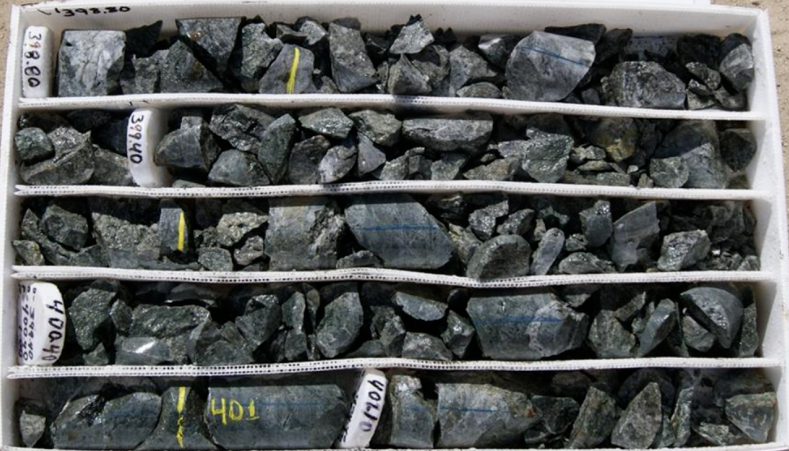
In geometallurgy, sample preservation is one of the most easily overlooked aspects of the workflow.
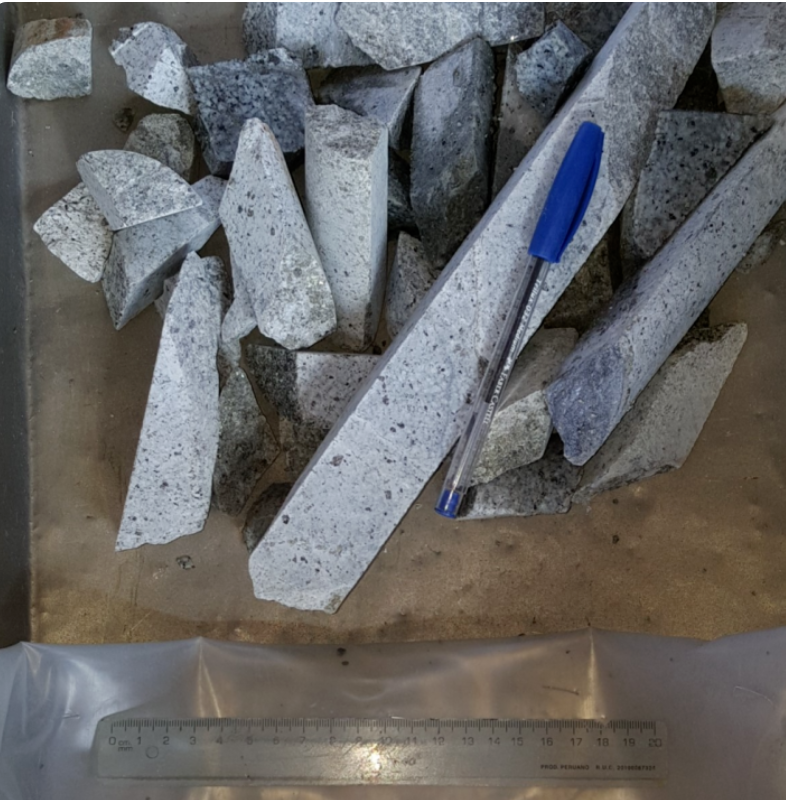
Coarse assay rejects and well-preserved drill core can retain considerable value for future metallurgical testing, model refinement and process optimisation.
Once samples are damaged or lost, opportunities to improve models may disappear permanently. A break in the data chain can increase uncertainty across the entire project.
Sample preservation should therefore not be treated as a minor logistical task. It is a fundamental investment in the long-term success of a mining project.
Geology and metallurgy are not competing disciplines. They are two complementary pillars of mining development.
Geological exploration establishes the scale and characteristics of a resource. Geometallurgy helps determine whether—and how—that resource can be transformed into economic value.
By collaborating earlier and more closely, geologists and metallurgists can reduce uncertainty during exploration, build more representative models, improve processing predictions and increase the likelihood that discoveries will progress into successful, profitable mining operations.
Cross-disciplinary collaboration is more than a way to reduce project risk. It is one of the most effective ways to unlock the full value of mineral resources.